Vinyl Record Typeface: A Playful Sans Serif for Handmade Goods
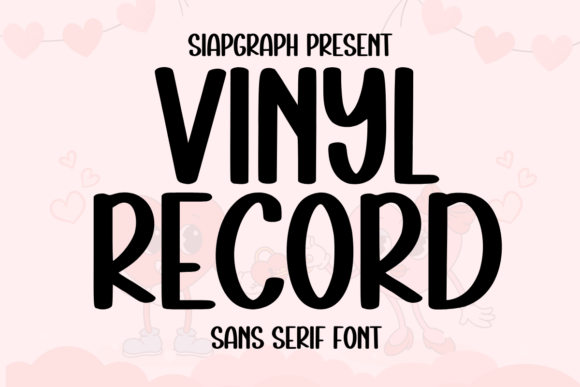
I was sitting at my craft table late last Tuesday, surrounded by a chaotic spread of wax scraps, wick trimmers, and half-finished candle labels. I had just finished pouring a batch of lavender-honey soy candles, and now came the moment I always dread but love: the design phase. I needed something that felt warm and nostalgic but also modern enough to stand out on Etsy. I didn’t want anything too stiff or corporate. That’s when I pulled up Vinyl Record. It’s a fun and playful sans serif font that immediately caught my eye. Its natural and unique style made it incredibly fitting for the cozy, retro-vibe aesthetic I was going for.
The only limit is your imagination, as they say, and with this typeface, the possibilities for handmade products feel endless. Whether you are creating digital printables, cutting vinyl for shirts, or designing boutique packaging, seeing how Vinyl Record comes to life on physical materials is a game-changer for small business owners who want their brand identity to pop.
Why This Font Fits the Maker Economy
In the world of handmade goods, first impressions are everything. When a customer scrolls through a listing or walks into a boutique, they are looking for authenticity and personality. Typography plays a massive role in conveying that mood. Vinyl Record brings a sense of joy and approachability to any design project. Unlike rigid geometric fonts, this creative font has a bit of character—a slight bounce and rhythm that feels human and crafted.
For sellers of physical products like mugs, tote bags, and signs, the visual weight of the letters matters. You need text that reads clearly from a distance but still looks detailed up close. Because Vinyl Record is a sans serif font, it maintains clean lines that translate beautifully to various mediums. It works exceptionally well for short phrases, names, titles, and decorative wording where you want the text itself to be the focal point.
I tested this font on a mockup for a set of wedding welcome boards. The playful nature of the letters softened the overall look, making the event feel more relaxed and welcoming. It proved that even in formal stationery design, a touch of playfulness can enhance emotional appeal and audience engagement without sacrificing elegance.
Real-World Applications for Your Shop
One of the best things about using a versatile typeface like Vinyl Record is its adaptability across different product categories. Here is how I have seen makers integrate it into their workflows:
- Candle and Soap Labels: The rounded edges of the letters pair perfectly with organic textures like kraft paper or matte finishes. It suggests a handcrafted, artisanal quality that customers love.
- Greeting Cards and Invitations: For birthday invitations or baby shower cards, the font adds a celebratory tone. It is easy to read yet distinct enough to make the card feel special.
- Sticker Sheets: When designing die-cut stickers for planners or laptops, bold display fonts work best. Vinyl Record offers enough presence to be legible even at smaller sizes, provided you choose the right weight.
- Boutique Tags and Packaging: Small product tags benefit from clear, stylish typography. Using Vinyl Record for brand names or care instructions adds a professional polish to your unboxing experience.
- Seasonal Craft Designs: Holiday tags, such as those for Christmas ornaments or Easter baskets, often require fonts that evoke specific feelings. This playful sans serif can be adapted for festive themes by pairing it with appropriate colors and graphics.
Readability and Production Considerations
As a creator, I know that a beautiful font on a screen doesn’t always translate well to production. When you are preparing files for cutting machines like Cricut or Silhouette, or sending designs to a print-on-demand service, readability is key. For small stickers or product labels, extremely thin weights might cut poorly or become illegible. I recommend sticking to the medium or bold weights of Vinyl Record for these applications.
If you are designing printable wall art or planner pages, you have more flexibility. You can experiment with larger sizes to let the unique style of the letters shine. However, keep in mind that this font is best suited for display use rather than long-form body text. The playful nature of the characters can become tiring to read if used for paragraphs. Instead, use it for headlines, quotes, or section headers.
Another practical tip involves file formats. Before selling digital downloads or SVG-style designs, ensure you are exporting your files in the correct vector format (like SVG or EPS) to maintain crisp edges. If you are creating PNGs for listing images, always use high-resolution files to prevent pixelation, especially when customers zoom in to see details.
Font Pairing Strategies
To create a balanced design, it helps to pair Vinyl Record with complementary typefaces. Since it is a playful sans serif, it pairs naturally with a clean sans serif font for secondary information, such as prices or descriptions. This creates a nice contrast between the headline and the body text.
For a more elegant look, consider pairing it with a simple serif font. The classic structure of a serif can ground the playfulness of Vinyl Record, making it suitable for more upscale branding or editorial design projects. If you want to lean into the handmade aesthetic, a delicate script font can add a personal touch when used sparingly alongside the boldness of Vinyl Record.
Avoid pairing it with another highly decorative or handwritten font, as this can create visual clutter. The goal is to let Vinyl Record remain the star while supporting elements provide context and clarity.
Technical Details and Licensing
Before incorporating Vinyl Record into your commercial products, it is essential to review the technical specifications. Check the included styles, alternates, ligatures, and swashes. These features can add extra flair to your designs, allowing you to customize the look of your brand identity without needing multiple fonts.
Also, verify the multilingual support if you plan to sell internationally. Ensuring your chosen typeface supports the necessary character sets will save you time and frustration later. Most importantly, understand the commercial font licensing terms. Some fonts allow unlimited use for physical merchandise, while others may restrict the number of items sold or require a separate license for digital templates. Always read the fine print to protect your handmade business from legal issues.
Ultimately, using Vinyl Record in your shop materials is about more than just picking a pretty font. It is about communicating your brand’s personality and creating a cohesive experience for your customers. Whether you are designing seasonal products, updating your website, or creating new packaging, this typeface offers a reliable and charming solution. By paying attention to readability, pairing, and licensing, you can leverage the power of modern typography to elevate your handmade goods and connect with your audience on a deeper level.